Conscious luxury skincare

SHOP NOW

Free AI Skin Analysis

Detect 14+ Skin concerns in real time.

Penetrates deeply into the skin and effectively protects it from UV damage (UVA and UVB), stimulates collagen production and reduces fine lines, wrinkles and hyperpigmentation.

With Ascorbyl Tetraisopalmitate - a natural, highly effective yet mild form of Vitamin C.

Before and After

  • Essence Cleanser

    Smoother texture, less visible inflammation/puffiness, cleaner pores, balanced skin tone.

  • Essence Toner

    Hydration, reduced redness, more refined pores, soothed skin.

  • Essence Active Serum

    Brighter skin, more even tone, softened pigmentation, decreased fine lines/wrinkles.

Beloved by skincare specialists, journalists and beauty authorities worldwide.

User trials

  • 99% agree skin feels instantly hydrated with a healthy, radiant glow; 95% agree tone and texture of skin is visibly improved after use

  • 94% agree the appearance of fine lines/wrinkles is dramatically improved; 95% agree skin looks brighter and more subtle.

  • 99% agree skin looks regenerated; 98% agree that dull skin appears brighter; 97% agree that skin feel smoother and more subtle.

*Based on a 4-week Consumer Perception Study of 22 participants

Beauty with a conscience.
Committed to sustainability for both
people and planet.


Our ingredient integrity. 100% Natural. Organic. Vegan. Cruelty-Free.

Free of parabens, silicones, mineral oil, phthalates, petrolatum, formaldehyde, cocamide DEA, propylene glycol, triclosan, myristyl myristate, GMOs, nitrates, SLS & SLES, artificial colorants, synthetic fragrances, parrafin, alcohol, PEG, and EDTA

Good For You
Good For animals
Good For our community
Good For our planet

At Clean Rebel, we’re redefining what it means to age well.

Our mission is to create radically clean, high-performance skincare that supports skin longevity by helping skin renew, regenerate, and protect itself over time.

Founded by Biljana Markova to challenge the industry’s toxic status quo, Clean Rebel blends luxury, sustainability, and science into minimalist formulas crafted with plant waters, antioxidant-rich oils, and clinically backed bioactives. Each product is designed to work in harmony with the skin’s natural intelligence.

No fillers, no compromises. For conscious consumers who expect more from their skincare and from the world, this is clean beauty, evolved.

Insights into health and well-being, expert tips, skincare tutorials and more.

READ ALL
Best Clean Skincare for Fine Lines in 2026
November 20, 2026

Best Clean Skincare for Fine Lines in 2026

Quick Summary

Clean skincare can support a fine-line routine. Clean Rebel's Essence Active Serum, built on stable ATIP vitamin C shows results over 4 to 12 weeks.

  • Clean skincare means formulas without certain ingredients.
  • The Essence Active Serum uses stable, lipid-soluble ATIP vitamin C.
  • The serum's results build over 4 to 12 weeks.
  • Apply the serum to slightly damp skin, then add the Essence Face Oil.
  • Daily sun protection is an important part of any fine-line routine.
Ready to build a fine-line routine?Clean Rebel's five-step Essence range is designed for skin longevity with clean, stable actives.
Shop the Starter Routine

Table of Contents

What Clean Skincare Can and Cannot Do for Fine Lines

Last Updated: November 19, 2026

Skincare can support a fine-line routine, but it cannot reverse deep wrinkles on its own. Clean Rebel builds its products around stable, skin-friendly actives such as vitamin C and antioxidant-rich botanicals, and those ingredients are chosen for how they support the skin over time. Clean Rebel designs its five-step Essence range for skin longevity, so the honest starting point is to understand what a clean formula can and cannot achieve.

Clean skincare is a term for formulas that leave out specific ingredients, not a guarantee of results. In practice, most clean lines exclude parabens, phthalates, synthetic fragrance and alcohol-heavy formulas. That exclusion tells you what is absent. It does not tell you whether the active ingredients are strong enough to visibly soften lines.

Fine lines respond best to consistent, gentle stimulation of the skin's own repair processes. Vitamin C supports collagen synthesis and helps defend against oxidative stress, which is one reason it appears in many anti-aging routines. Sun protection matters just as much, because UV exposure is a major driver of visible aging. A clean serum will not undo years of sun damage, but it can help a routine look smoother and more even over time.

Watch out: expecting a single product to erase lines in a few days leads to disappointment and rushed switching. Give any active several weeks of steady use before judging it.

How We Evaluated Clean Options for Fine Lines

We judged each option on four things: the active ingredients, the exclusions list, how it fits into a routine, and who it suits. We looked at each product's listing and ingredient claims rather than marketing language. A product earns a place here only where its listing supports the claim it is recommended for.

We also checked suitability. Some formulas are built for sensitive skin, while others are better suited to skin that tolerates stronger actives. Clean options should be judged on how gently they deliver their ingredients, not just on their ingredient list.

Finally, we looked at practicality. A routine you can keep up every morning and evening will outperform a complicated one you abandon after two weeks.

Quick Comparison: Clean Rebel's Fine-Line Products at a Glance

Product

Price (AED)

Best For

Key Active or Feature

Essence Active Serum

680

Fine lines and uneven tone

Stable vitamin C (ATIP)

Essence Face Oil

660

Dry, dull or stressed skin

Jojoba, pistachio and coconut oils with vitamin E

Essence Complete Face Kit

1,990

Building a full routine

Five-step ritual

Essence Exfoliating Paste

340

Smoothing texture

Apricot kernel powder

Essence Toner

280

Preparing skin for serums

Bulgarian rose water

Essence Cleanser

290

Gentle daily cleansing

Cucumber extract and amino acids

Price (AED)

Essence Face Oil
Essence Complete Face Kit
Essence Active Serum 680
Essence Face Oil 660
Essence Complete Face Kit 1,990
Essence Exfoliating Paste 340
Essence Toner 280
Essence Cleanser 290

Best Serum for Fine Lines: Essence Active Serum

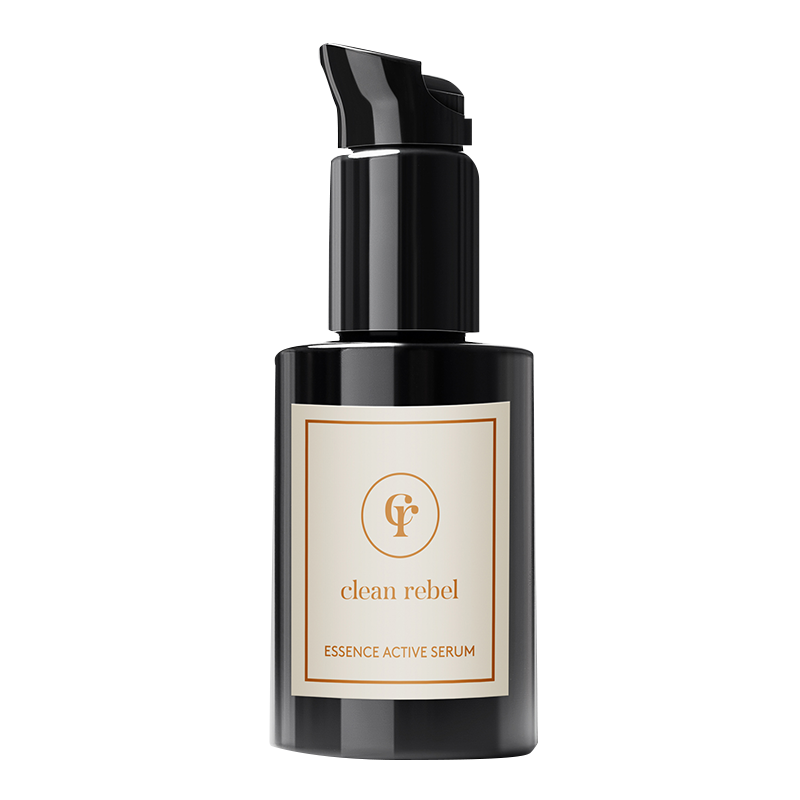
If you want one product for fine lines, the Essence Active Serum is our pick. It uses a stable, lipid-soluble form of vitamin C called ATIP, which is designed to penetrate deeply with fewer irritations than many ultra-acidic vitamin C serums. For the chemist's explanation of how vitamin C works in this formula, read why vitamin C matters in the Essence Active Serum.
Essence Active Serum

Results build over 4 to 12 weeks, with improved brightness, a softer look of fine lines, more even tone and a smoother texture.

The main limitation is patience. Expect a gradual change rather than an overnight one.

Serum is more than a single step. Place it after your toner and before your moisturizer so it reaches the skin without being diluted.

Bakuchiol for Wrinkles and Gentler Retinol Alternatives for Sensitive Skin

How the main clean actives compare for fine lines

  • Retinoids (retinol, retinal, retinyl esters): the most common actives used for fine-line improvement; trade-off is irritation, sun sensitivity and a gradual introduction over weeks. Many clean lines avoid them, so they are often absent from clean-only routines.
  • Bakuchiol: plant-derived, gentler, suitable for reactive skin; as effective as retinol
  • Vitamin C (including stable forms such as ATIP): supports collagen synthesis and defends against oxidative stress; the lipid-soluble ATIP form used in the Essence Active Serum is designed to penetrate with less sting than ultra-acidic formulas.
  • Peptides: signal ingredients that support the skin's own repair processes; gentle and easy to layer, but typically slower and subtler than retinoids.
  • Barrier oils and antioxidants: jojoba, pistachio and vitamin E in the Essence Face Oil do not treat lines directly, but they reduce the dryness that makes fine lines look deeper.

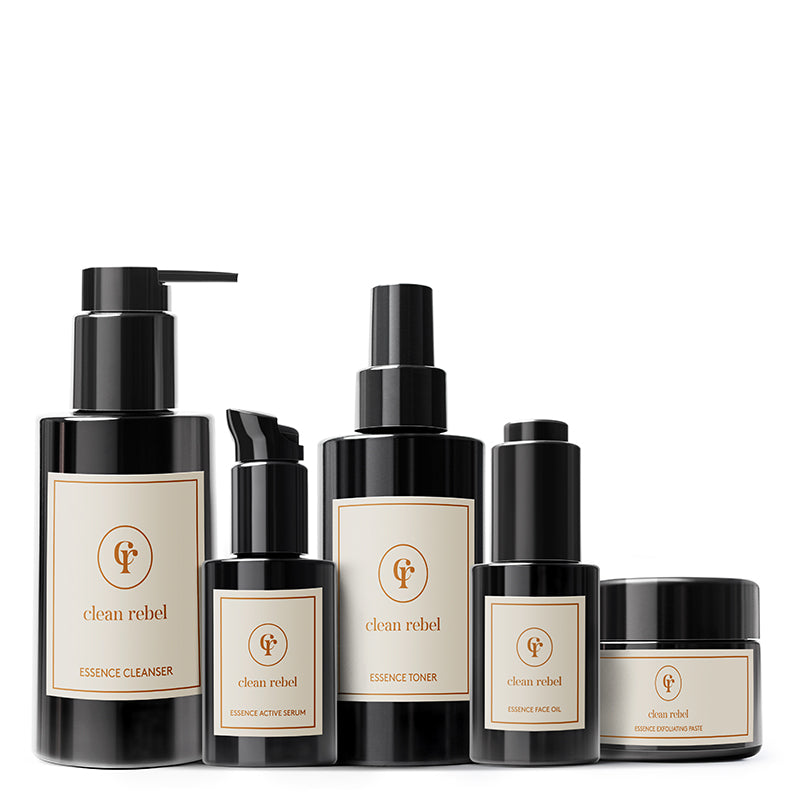
For a fine-line routine built around this brand, the Essence Active Serum handles the brightening and collagen-support role, while the Essence Face Oil provides lipid-based nourishment. To see how the three-step routine fits together, explore the Clean Rebel Essence Collection.

Building a Skincare Routine for Fine Lines

A simple routine works better than a crowded one, but the sequence and the timing matter as much as the products. The goal is to deliver actives to clean skin, seal them in, and avoid combining ingredients in a way that multiplies irritation.
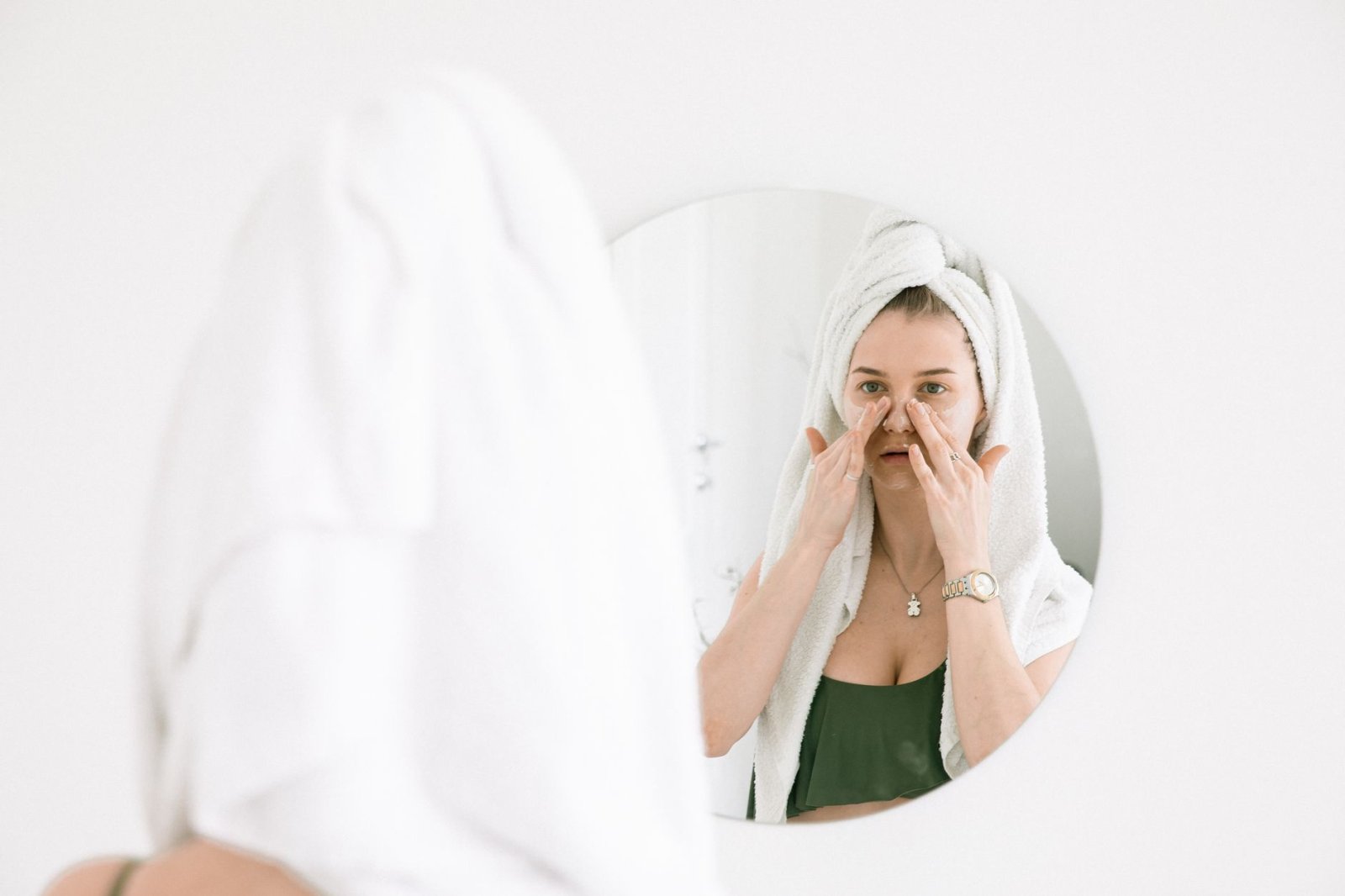
Morning routine

  1. Essence Cleanser, removes overnight buildup without stripping; cucumber extract and amino acids keep it gentle enough for daily use.
  2. Essence Toner, Bulgarian rose water adds a hydration layer and prepares skin so the serum spreads evenly.
  3. Essence Active Serum, apply to slightly damp skin so the ATIP vitamin C reaches the skin rather than sitting on top of a dry surface.
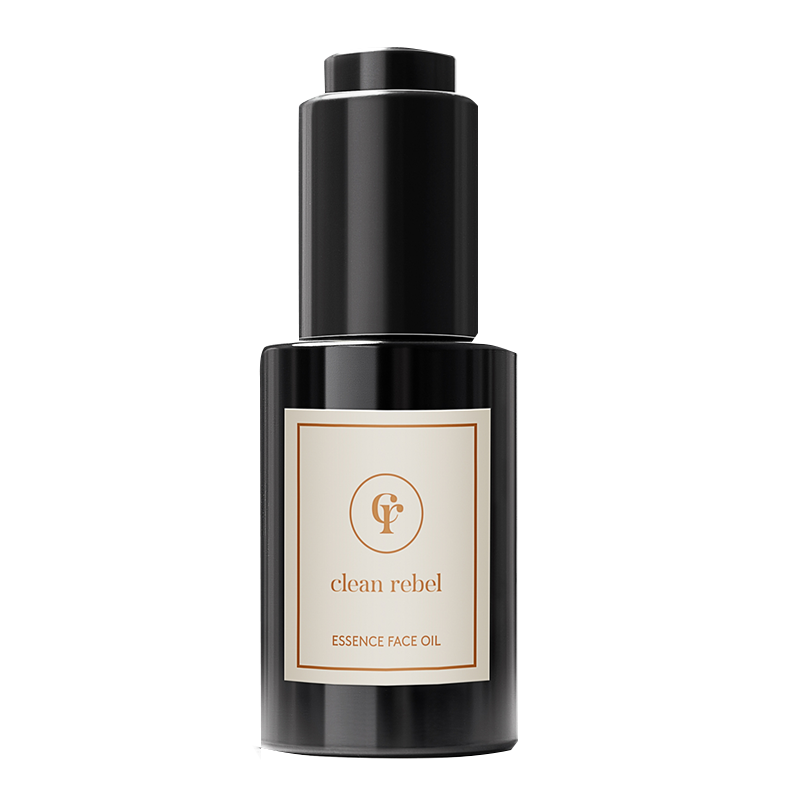
  4. Essence Face Oil, a few drops pressed over the serum; jojoba, pistachio and coconut oils with vitamin E are its key blend.
  5. Sunscreen, daily sun protection is an important part of any routine.

Evening routine

Repeat the cleanser, toner, serum and oil steps. If you use the Essence Exfoliating Paste, use it as directed on the product page after cleansing.

Introducing actives gradually

Introduce new products gradually so you can tell which one suits your skin.

Layering rules that prevent irritation

  • Thinnest to thickest: toner, then serum, then oil.
  • Keep the order consistent so each product can work as intended rather than competing for absorption.

Adapting the routine to your skin type

For oily or acne-prone skin, the Essence Face Oil is balanced for all skin types, including oily and acne-prone.

Results Timelines and Realistic Expectations

Essence Active Serum needs a 4 to 12 week window for noticeable improvement. Realistic expectations matter. A clean routine can support smoother-looking skin, but it will not replace sun protection or professional advice for concerns beyond cosmetic care. If a product stings, burns or causes persistent redness, stop using it and speak to a qualified professional.

Choosing the Right Option for Your Skin Type

For oily or acne-prone skin, the Essence Face Oil is designed to balance rather than overload sebum, and it is suitable for all skin types. For dry or dull skin, the oil and serum together give the most comfort. For sensitive skin, start with the Essence Toner and Cleanser before adding the serum.

If you are new to skincare, the complete kit removes the guesswork.

Your Starter Routine from Clean Rebel

Ready to start? The Essence Complete Face Kit brings all five steps together for AED 1,990, which suits anyone building a full routine from scratch. If you prefer to test the range first, the Essence Complete Face Kit Mini Edition gives you the same ritual at a lower commitment.

For a focused routine, begin with the Essence Active Serum and the Essence Face Oil, then add the rest of the ritual as you go.

Frequently Asked Questions

What is the best clean skincare for fine lines?

The strongest fit in this comparison is a routine built around a stable vitamin C serum, such as Essence Active Serum at AED 680.00, paired with a nourishing face oil like Essence Face Oil at AED 660.00. Clean skincare supports fine lines through hydration, barrier support and antioxidant protection, but it will not erase established lines. Clean Rebel's products are free from fragrance, alcohol, parabens and phthalates, and the serum is designed to reduce the appearance of fine lines over 4 to 12 weeks of consistent use.

Can clean skincare products help with wrinkles?

Clean skincare can help wrinkles look less pronounced, mainly by improving hydration, skin texture and elasticity over time. Expect gradual visible change rather than dramatic reversal. Essence Active Serum supports collagen synthesis and oxidative-stress protection, while Essence Face Oil helps skin appear plumper and more comfortable with regular use. Consistent sun protection matters as much as any single product, since UV exposure is a major driver of visible aging.

Should I use a serum or a moisturiser for fine lines?

Most people benefit from both, used in sequence. A serum delivers active ingredients into the skin, while a moisturiser or face oil seals in hydration and supports the skin barrier. Apply the serum to clean, toned skin first, then follow with a nourishing layer such as Essence Face Oil. If you have sensitive skin, introduce one new product at a time and allow a few weeks before adding the next.

More
How to Read Skincare Ingredient Labels Like an Expert
November 18, 2026

How to Read Skincare Ingredient Labels Like an Expert

Last Updated: November 17, 2026

Quick Summary

To read skincare ingredient labels, skip the front-of-pack claims and go straight to the INCI list on the back. Ingredients are listed from highest to lowest concentration, so the first few show the formula's main makeup, while actives and possible irritants show what the product does and if you may have a bad reaction to it.

  • Ignore front-of-pack words like natural or gentle until you have checked the full list.
  • INCI lists ingredients from highest to lowest concentration, with anything below 1 percent in any order.
  • Water or a base oil often comes first, so the first ingredient is not always the main active.
  • Parfum or Fragrance can hide dozens of unnamed chemicals.
  • Patch test on a clean spot like behind the ear and wait 24 to 48 hours before using on your face.

Table of Contents

Why the Ingredient List Matters More Than the Front of the Pack

The back of the bottle tells you more than the front ever will. The front is marketing, built to catch your eye. The ingredient list is the legal record of what is actually inside the jar. Learning to read it is the fastest way to skincare that suits your skin.

Most shoppers scan the front for words like "natural," "clean," or "gentle." These words have no fixed legal meaning in most markets, so they cannot be relied on alone; reading the full list of skincare ingredient labels is the only dependable check. The list of ingredients is where you find the facts. Once you know how to read it, you can compare products quickly and decide with confidence.

A good way to start is to treat every label like a short ingredient quiz. Ask three questions: What is the first ingredient? Which ingredients are active? Which ones could bother my skin? The answers come from the list, not the front panel.

  • Ignore marketing terms on the front until you have checked the list.
  • Read the full list, not just the top three ingredients.
  • Note any ingredients you already know irritate your skin.

How to Read an INCI Ingredient List

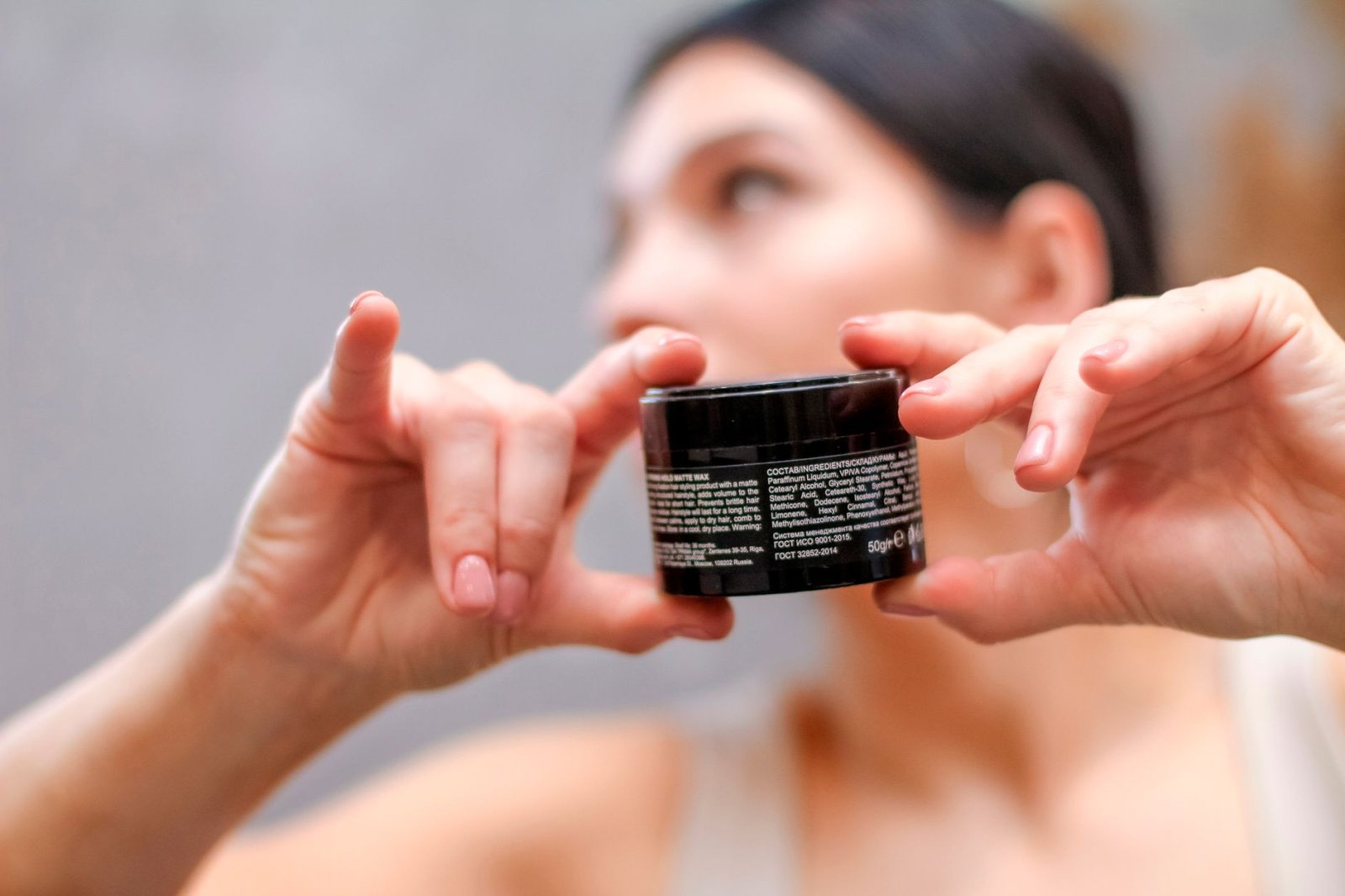
INCI stands for International Nomenclature of Cosmetic Ingredients. It is a standard naming system used on cosmetic packaging across many markets.

Article image

The INCI list is usually printed on the back, side or inside of the packaging. Ingredients appear in Latin or English chemical names, not everyday words. Water often appears as "Aqua," and plant extracts are named with their botanical Latin name followed by the plant part.

Why ingredients are listed in descending order

Ingredients must be listed from highest to lowest concentration, with anything below 1 percent usually listed in any order at the end. This rule helps you judge how much of a formula is made of each ingredient. If a serum lists a plant extract first, that extract makes up the largest share of the product.

Many shoppers assume the first ingredient is the main active. That is not always true. Water or a base oil often comes first, and the active sits lower down. Use the order to judge proportions, not to rank effectiveness.

Decoding complex chemical names and what INCI means

Long chemical names look intimidating but often describe simple things. "Tocopherol" is vitamin E, and "Ascorbic Acid" is vitamin C. Words ending in "-glycol," "-cone" or "-sulfate" point to families of ingredients, not single items.

A helpful habit is to save a short list of names you see often and what they do. Over a few weeks, reading labels becomes much faster.

Identifying Active, Inactive and Preservative Ingredients

Active ingredients are the parts of a formula meant to change the skin, such as retinol for fine lines or niacinamide for uneven tone. Inactive ingredients make up the rest: water, emollients, thickeners and fragrance. Preservatives keep the product safe from bacteria and mould during use.

To spot each type, look for these patterns:

  • Actives: named specific compounds, often vitamins, acids or botanical extracts.
  • Inactives: oils, butters, water, gums and emulsifiers that give texture.
  • Preservatives: names like parabens, phenoxyethanol, sodium benzoate or potassium sorbate.

Preservatives are necessary in water-based products, because bacteria grow fast in them. Some shoppers prefer products with fewer preservatives, but a product with none can spoil quickly. But not all preservatives are equally safe, with some being scientifically linked to hormone disruption (e.g. parabens) and others being food-grade (e.g. sodium benzoate or potassium sorbate). Learn how to spot ingredients that irritate skin. Check the period-after-opening symbol on the jar to see how long it stays good once opened.

How to Identify Fragrance in Skincare

Fragrance is the hardest part of skincare ingredient labels to audit, because the word on the label is often a container for dozens or hundreds of unnamed chemicals. Build a fragrance-free routine that calms and protects sensitive skin. A brand can declare the single catch-all term "Parfum" or "Fragrance" without breaking that term down into its individual scent molecules on the pack. One word can stand in for a formula of 20, 40 or more aromatic compounds. That is the loophole to understand before you shop.

The second layer of the loophole is the allergen list. Learn how PEGs and their contamination risks affect sensitive skin. Some scent allergens may be declared separately depending on their concentration in the finished product, so a label without allergen names does not prove a product is scent-free. So a label that shows no allergen names does not prove the product is scent-free; it may simply mean each one sits under the disclosure limit.

A third route is the "fragrance-free" claim. This is a marketing statement, not a regulated definition, and it is routinely stretched. A product labelled fragrance-free can still contain:

  • Masking fragrances added to cover the smell of raw materials such as amines or sulphur compounds.
  • Essential oils used for a botanical story rather than a scent claim, listed under their INCI names.
  • Plant extracts with natural aromatic components that never appear as "Parfum".

To audit a label properly, scan for all of these in one pass:

  • Parfum, Fragrance, Aroma
  • The declared allergen names above
  • Essential oils: citrus peel oils, peppermint, lavender, tea tree, eucalyptus
  • "Fragrance-free" on the front, then check the back for any of the above

Watch out: a product can be genuinely free of added scent and still smell of its own raw materials, a clay mask smells earthy, a vitamin C serum smells faintly metallic. A smell is not proof of added fragrance, and no smell is not proof of its absence. The list, not your nose, is the evidence.

If you react to scent, treat "Parfum" or “Fragrance” as an unknown and test the product on a small patch before wider use. If a brand publishes a full allergen breakdown on its website, that transparency is worth more than any front-of-pack claim. Generally, we recommend that you avoid any products that list "Parfum" or “Fragrance” (unless it is noted that it is only from essential oils) as it most certainly contains harmful chemicals like phtalates and PFAs, which have been scientifically linked to hormone disruption and carcinogenic risk.

Skincare Ingredients to Avoid for Sensitive Skin

Most guides stop at a list of "bad" ingredients. That is only half the job, because sensitive skin is usually triggered by a combination, a strong acid layered under a retinoid, or a fragrance sitting on top of a compromised barrier, rather than by one villain ingredient in isolation. Read the list with two questions: what does this ingredient do to the barrier, and what is it being layered with?

The irritant families worth recognising, and why they bite:

  • Fragrance or parfum: can contain dozens or hundreds of undisclosed ingredients, so it is best to avoid any products that list it as an ingredient.
  • Denatured alcohol (Alcohol Denat.): dissolves the lipid barrier and evaporates fast. Especially harsh on dry or already-irritated skin, particularly when high in the list.
  • AHA and BHA acids: glycolic, lactic, mandelic and salicylic acid loosen the bonds holding dead cells together. At high percentages or low pH they cause stinging, redness and over-exfoliation.
  • Retinoids: retinol, retinal and retinyl palmitate speed cell turnover and can cause dryness and flaking during the first weeks, the familiar "retinisation" phase. We recommend bakuchiol instead, which is as effective as retinol but without any of the harsh side effects.
  • Strong surfactants: sodium lauryl sulfate (SLS) strips lipids aggressively and disrupts the skin barrier. There are gentle and effective alternatives such as coco glucoside.
  • Preservatives: methylisothiazolinone (MI) and formaldehyde releasers are recognised contact allergens, hormone disruptors and carcinogens; sodium benzoate is non-toxic and generally better tolerated.

The conflict layer is where labels get interesting. Some pairings that are fine alone become irritating together:

  • Retinol + AHA/BHA in the same routine: both accelerate turnover, so the combined drying and stinging effect compounds.
  • Benzoyl peroxide + retinol: benzoyl peroxide can degrade retinol and the duo is notoriously drying.
  • Vitamin C (L-ascorbic acid) + benzoyl peroxide: the peroxide oxidises the vitamin C, reducing what reaches the skin. A much better and more effective form of Vitamin C is ascorbyl tetraisopalmitate.
  • Niacinamide + high-strength acids: generally stable together, but at very high acid concentrations the flush can feel like irritation.
  • Multiple exfoliating acids in one routine: the total load matters more than any single product.

A practical approach for reactive skin: introduce one new active at a time, keep a two-week gap between new additions, and note the full INCI list of anything that stings so you can spot the shared ingredient next time. If a product burns on contact rather than tingling briefly, remove it, that is a signal, not a phase to push through.

How to Patch Test Skincare Products Before Committing

Patch testing is the simplest way to find out whether a product suits you. It takes a few days but can save you from a full jar you cannot use.

  1. Apply a small amount to a clean patch of skin, such as behind the ear or on the inner arm.
  2. Leave it for 24 to 48 hours without washing the spot.
  3. Check for redness, itching, bumps or stinging.
  4. If the area looks normal, try it on the face in a small amount first.

Stop using the product at once if you see swelling or a rash. A common mistake is testing only one drop and deciding too quickly. Give it the full two days before you judge it.

The steps below summarise the patch test process described above.

Step

What to do

Time

1. Apply

Put a small amount on a clean patch, such as behind the ear

Once

2. Wait

Leave the spot unwashed

24 to 48 hours

3. Check

Look for redness, itching, bumps or stinging

At 24 to 48 hours

4. Test on face

Try a small amount on the face if the patch looks normal

After a normal patch result

Stop

Stop at once if you see swelling or a rash

Immediately

Your Label-Reading Checklist Before You Buy

Use this checklist in the shop or while shopping online:

  • Read the full INCI list, not just the front.
  • Check the first five ingredients for the main makeup of the formula.
  • Identify the actives and what they are meant to do.
  • Look for fragrance or essential oils if you have sensitive skin.
  • Check the period-after-opening symbol.
  • Plan a patch test before using it on your face.

Reading labels takes a few minutes at first and gets quicker with practice. Explore our range to find products that fit the routine you want, and get in touch if you have a question about any ingredient on our labels.

Frequently Asked Questions

How do you read a skincare ingredient label?

Start with the INCI list on the back or side of the packaging. Ingredients are listed in descending order of concentration, so the first five to ten items make up most of the formula. Water is often first, which is normal. Look for active ingredients in the upper part of the list, since an active sitting near the bottom may be present at very low levels. Compare the list against your own sensitivities, and note any fragrance, essential oil or alcohol entries before you buy.

Does a longer ingredient list mean a product is less safe?

Not necessarily. A longer list often reflects extra stabilisers, emulsifiers or preservatives needed to keep a formula stable and safe over its period after opening. Length alone does not indicate risk. A short list can still contain irritants if they appear near the top. Focus on which specific ingredients are present and at what position, rather than counting entries.

What ingredients should sensitive skin avoid?

Sensitive skin often reacts to fragrance, denatured alcohol high on the list, certain preservatives such as some isothiazolinones, and strong exfoliating acids at high concentrations. Everyone's triggers differ, so keep a note of products that caused stinging or redness and check their full ingredient lists for repeat offenders. Patch testing before full use is the most reliable way to confirm whether a product suits you.

How can I tell if a skincare product is fragrance-free?

A product labelled fragrance-free should not list fragrance or parfum in its INCI list. Be aware that unscented products can still contain masking ingredients, and that botanical extracts or essential oils may carry a scent without being called fragrance. Reading the full list, not only the front label, gives the clearest answer.

More